



What Causes Kidney Stones and How to Prevent Them Naturally (Complete 2026 Guide)
If you’re searching for “what causes kidney stones and how to prevent kidney stones naturally”, this in-depth, SEO-optimized guide covers symptoms, diagnosis, treatment options, diet tips, and proven prevention strategies.
Kidney stones are painful but highly preventable in many cases. Understanding how they form — and what lifestyle changes reduce risk — can dramatically lower recurrence.
What Are Kidney Stones?
Kidney stones (also called renal calculi or nephrolithiasis) are hard deposits made of minerals and salts that form inside your kidneys. They develop when urine becomes concentrated, allowing crystals to stick together and grow.
Stones can be:
- As small as a grain of sand
- As large as a golf ball (rare)
Small stones may pass unnoticed. Larger stones can block urine flow and cause severe pain.
How Common Are Kidney Stones?
- About 1 in 10 people develop kidney stones during their lifetime
- More common in men aged 30–40
- High recurrence rate (up to 50% within 5–10 years)
- Increasing globally due to diet and dehydration
- Kidney Stone Symptoms: Early Warning Signs
- The most common symptom is sharp, severe flank pain.
Common Symptoms:
- Severe lower back or side pain
- Pain radiating to groin
- Nausea and vomiting
- Blood in urine (pink, red, or brown urine)
- Burning while urinating
- Frequent urge to urinate
- Cloudy or foul-smelling urine
- Fever and chills (if infection develops)
⚠️ Pain often comes in waves (renal colic) and can be intense.
What Causes Kidney Stones?
Kidney stones form when your urine contains high levels of stone-forming substances and not enough fluid to dilute them.
Main Causes:
- Dehydration
- High sodium intake
- Excess animal protein
- High-oxalate foods
- Obesity
- Family history
- Digestive diseases
- Certain medications
- Metabolic disorders
Types of Kidney Stones (Explained With Images)
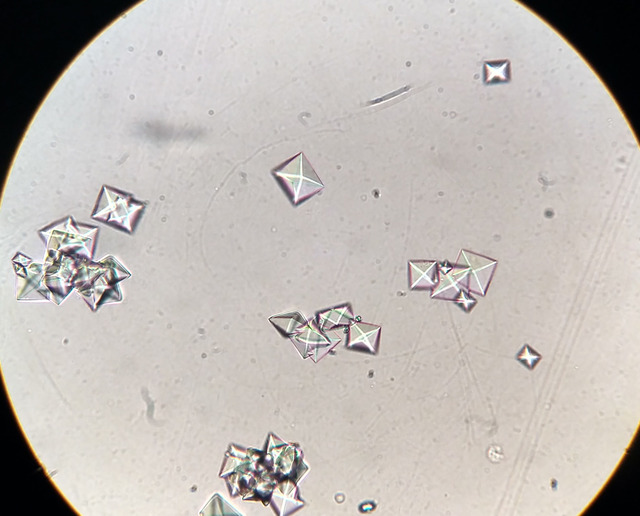
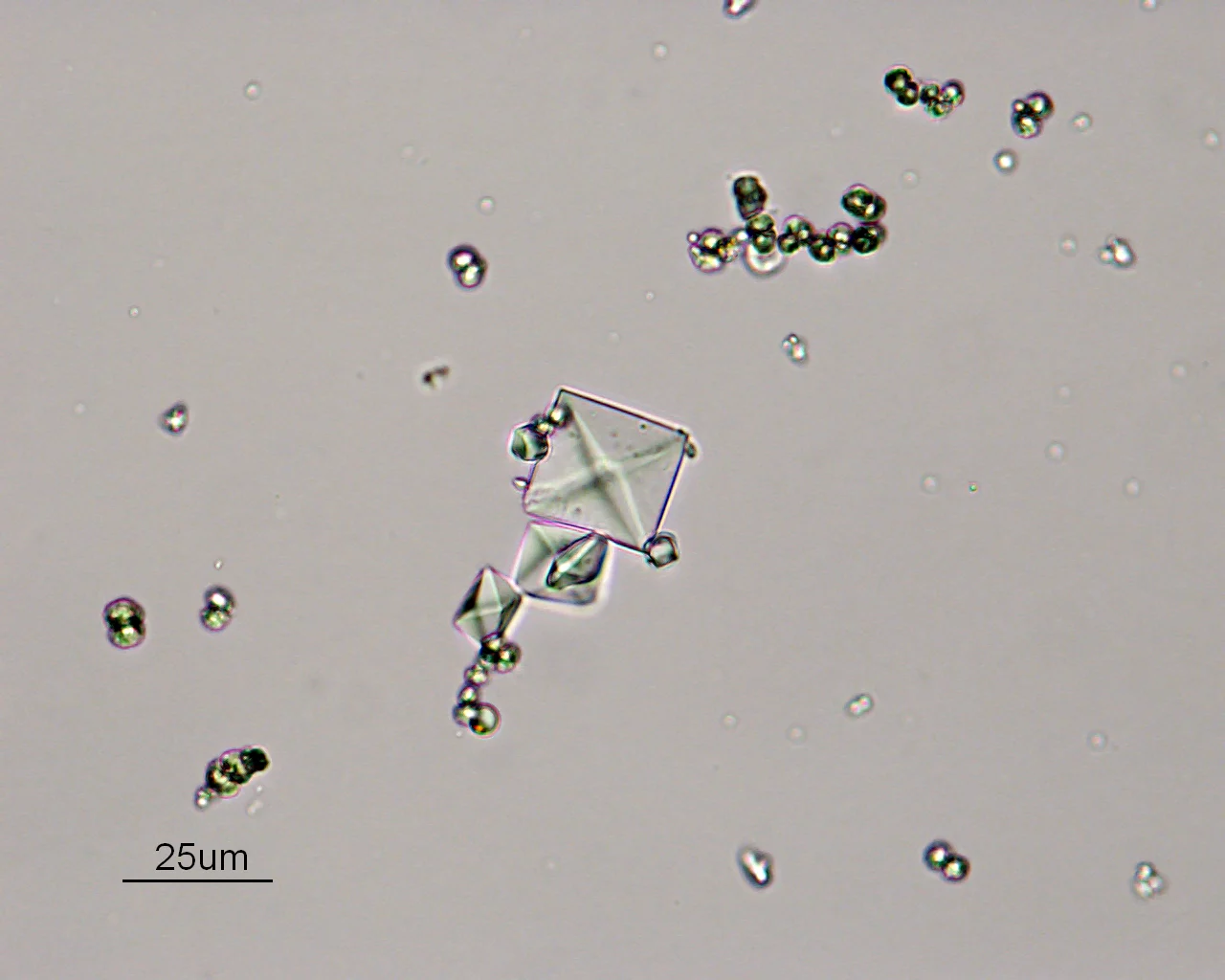
1. Calcium Oxalate Stones (Most Common)
- Most common type
- Linked to high oxalate foods (spinach, nuts)
- Often related to low fluid intake
2. Uric Acid Stones
- Forms in acidic urine
- Associated with high-protein diets
- Common in people with gout


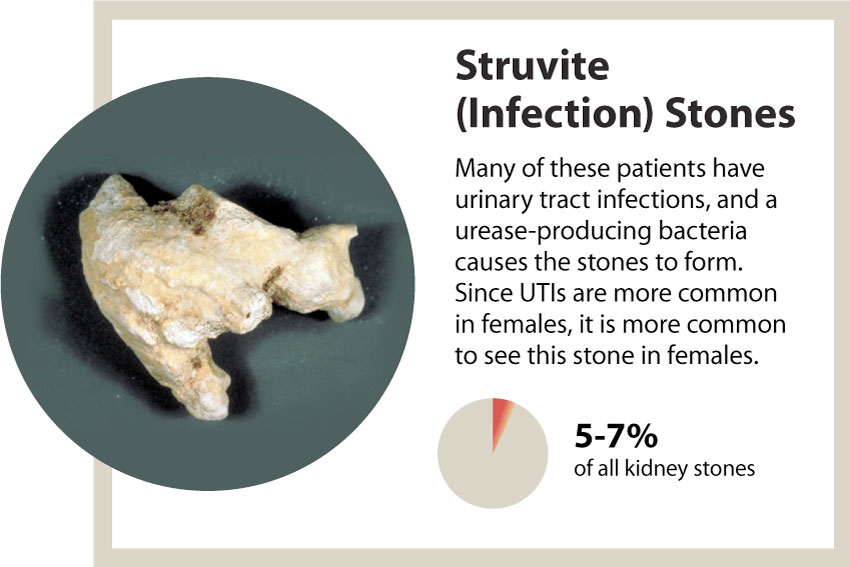
3. Struvite Stones (Infection Stones)
- Caused by urinary tract infections
- Can grow rapidly
- Often large (staghorn stones)


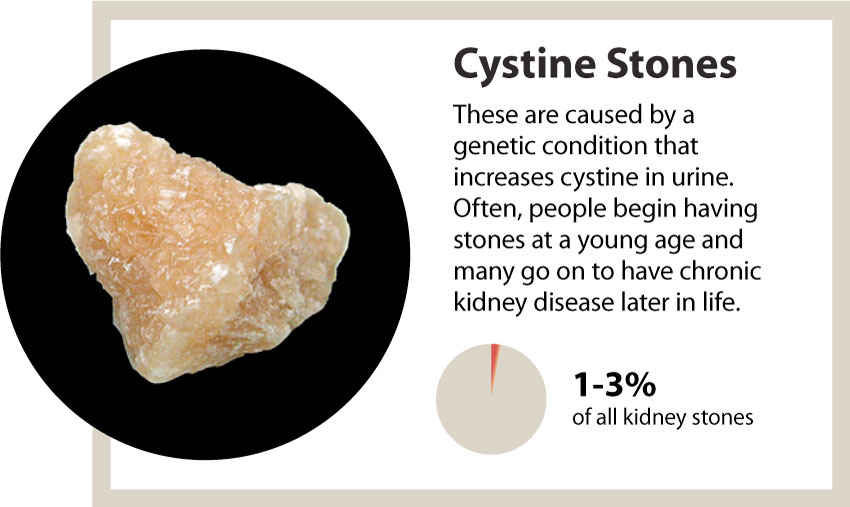
4. Cystine Stones (Rare Genetic Type)
- Caused by inherited condition (cystinuria)
- Rare but recurrent


How Are Kidney Stones Diagnosed?
Doctors use:
- Urine tests – check for blood, crystals, infection
- Blood tests – check kidney function, calcium levels
- CT scan – most accurate imaging
- Ultrasound – common in pregnancy
- X-rays- Imaging determines size, location, and blockage.
Kidney Stone Treatment Options
Treatment depends on size, location, and symptoms.
1. Natural Passing (Small Stones Under 4mm)
- Drink 2.5–3 liters of water daily
- Pain medication
- Alpha blockers (like tamsulosin)
Most small stones pass within 1–3 weeks.
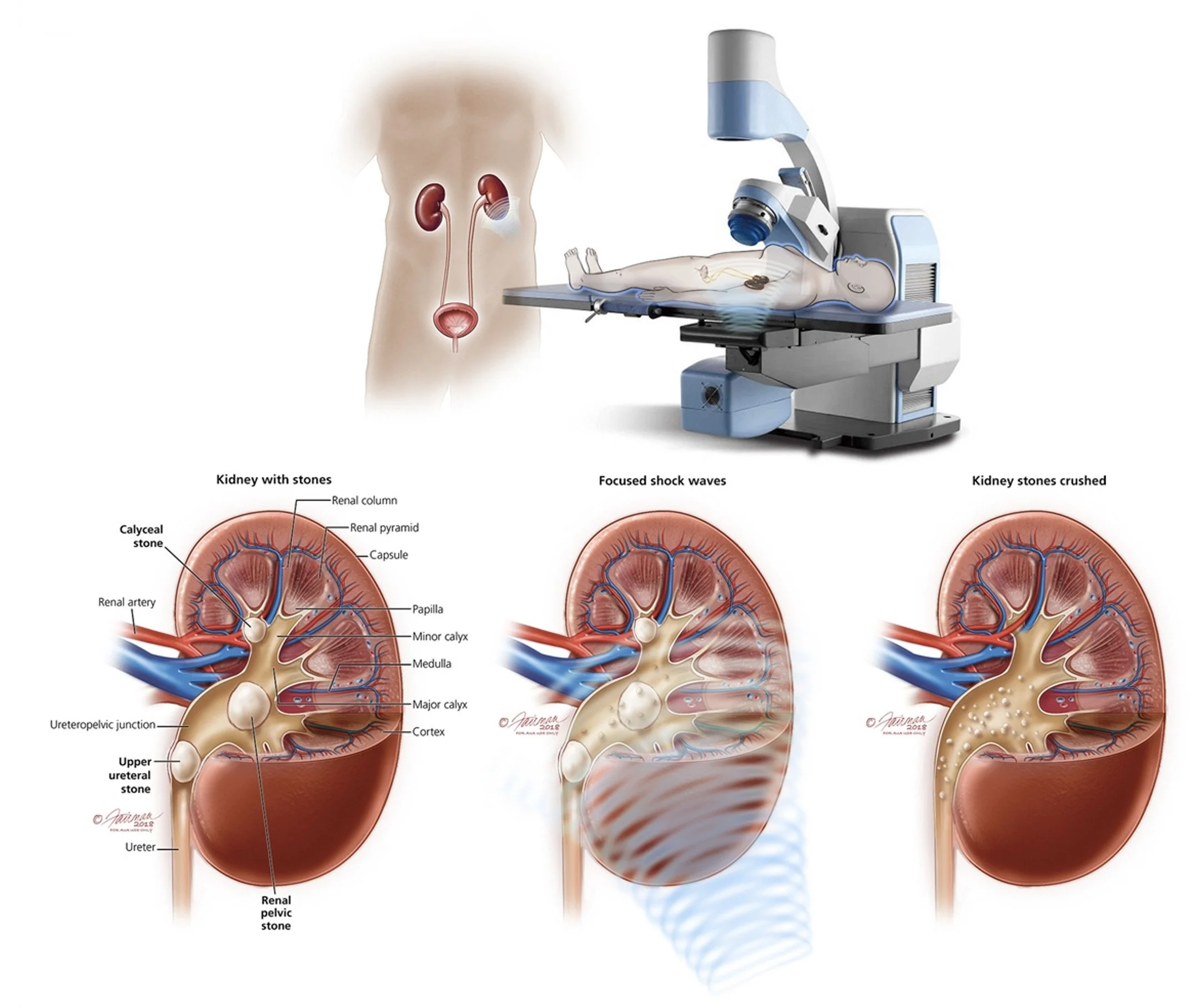
2. Shockwave Lithotripsy (Non-Surgical)


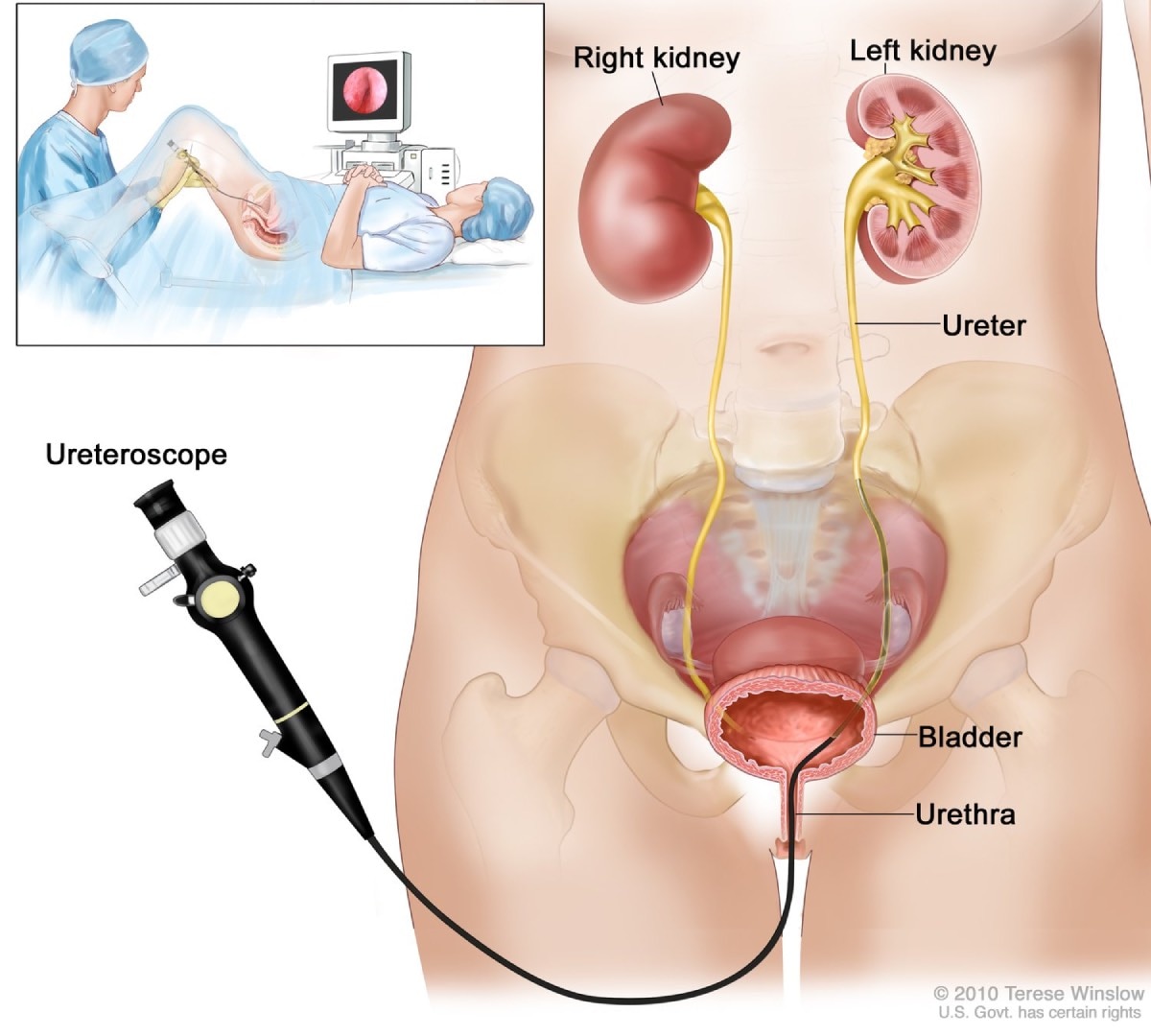
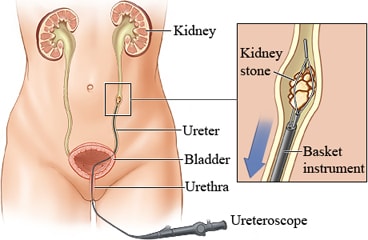
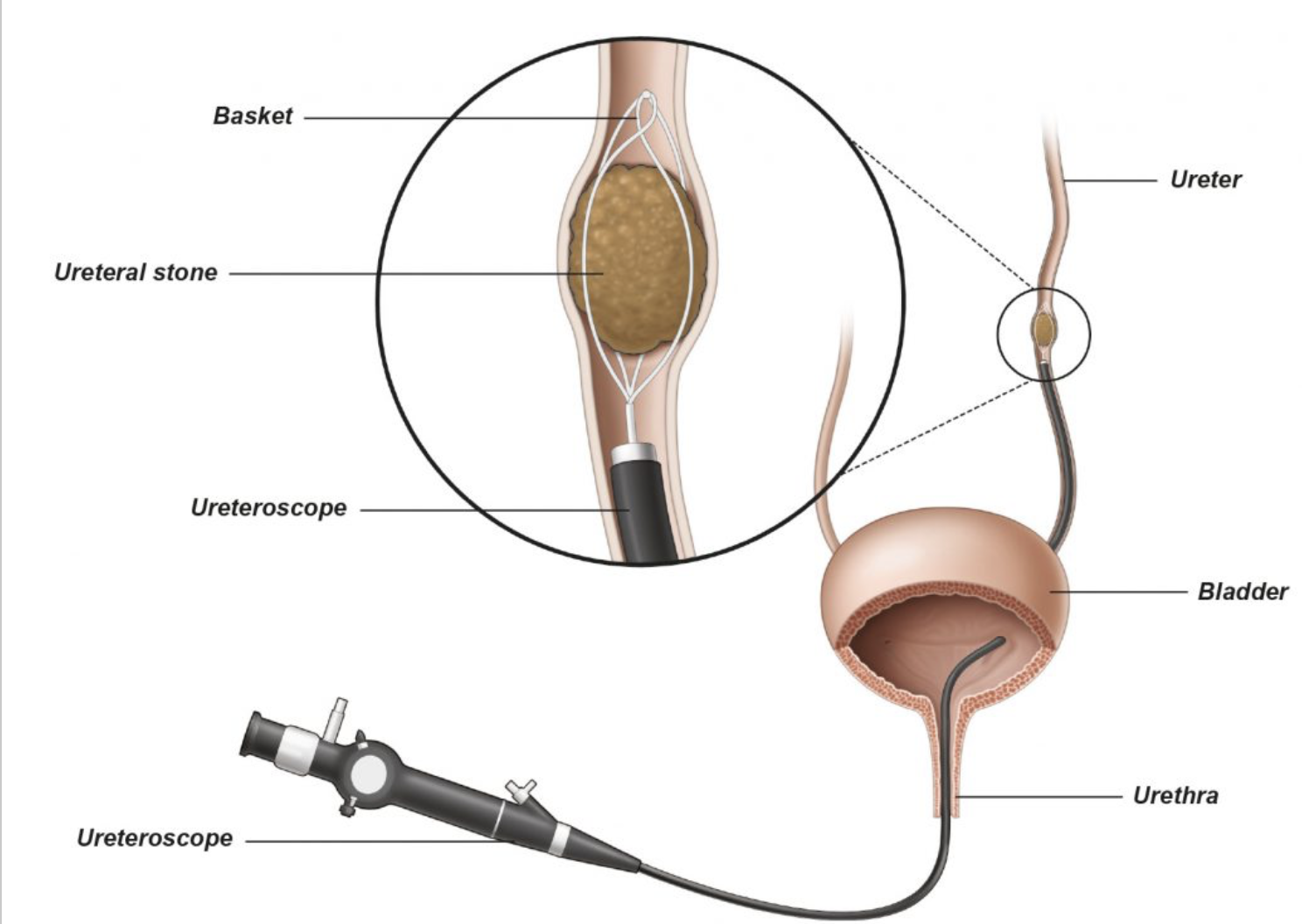
3. Ureteroscopy With Laser
- Scope inserted through urinary tract
- Laser breaks stone
- Fragments removed
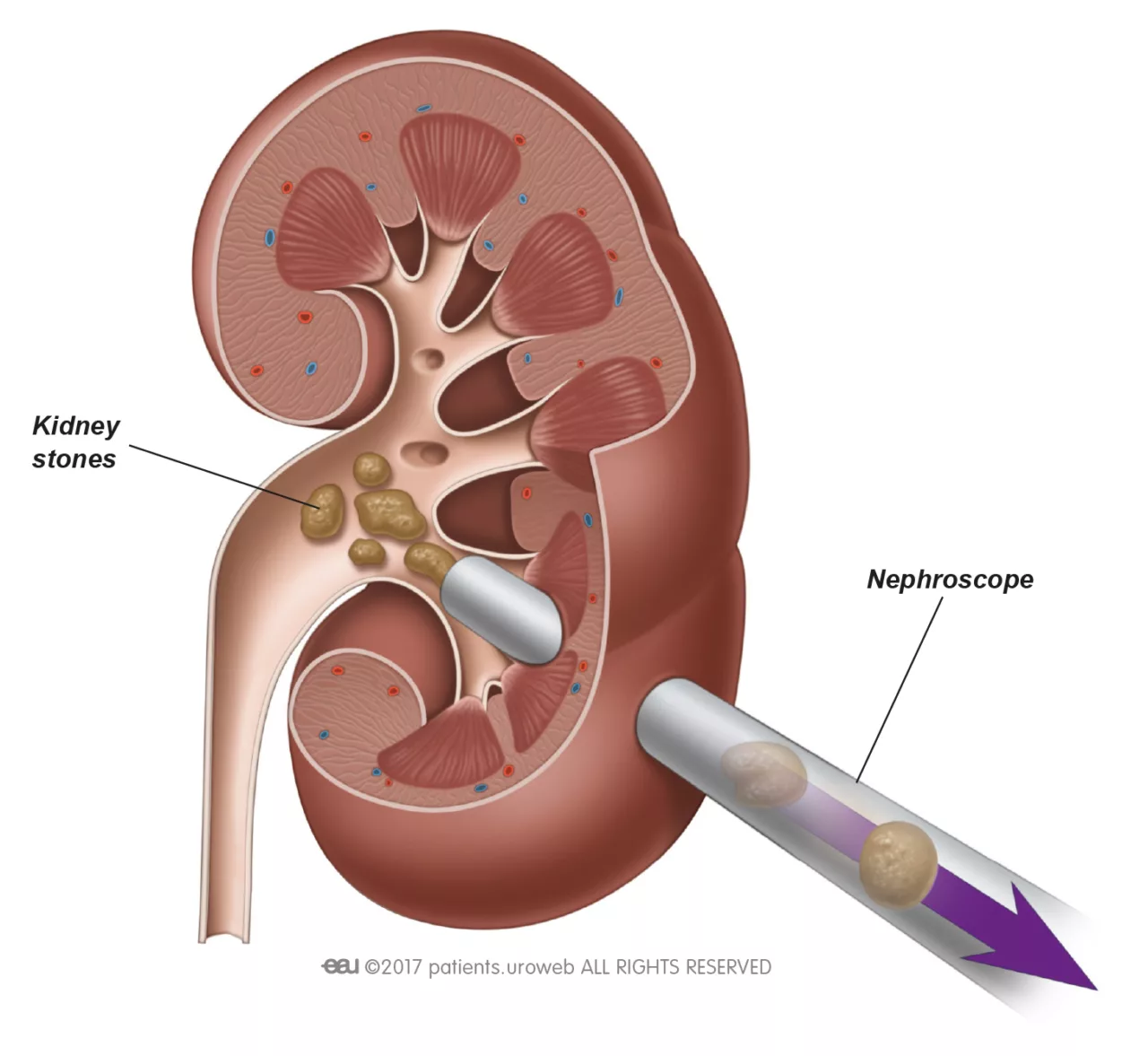
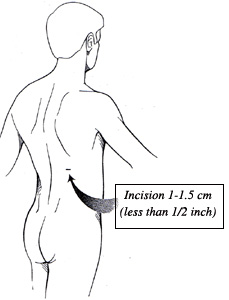
4. Percutaneous Nephrolithotomy (PCNL)
- For large stones (>2 cm)
- Small incision in back
- Direct removal

How Long Does It Take to Pass a Kidney Stone?
| Stone Size | Time to Pass |
|---|---|
| <4 mm | 1–2 weeks |
| 4–6 mm | 2–3 weeks |
| >6 mm | Often needs procedure |
How to Prevent Kidney Stones Naturally (Proven Methods)
If you’re searching for “how to prevent kidney stones permanently at home”, follow these evidence-based tips:
1. Drink More Water
- 2.5–3 liters daily
- Urine should be light yellow
2. Reduce Sodium
- Avoid processed foods
- Limit to <2300 mg/day
3. Moderate Animal Protein
- Reduce red meat intake
- Choose plant-based proteins
4. Eat Calcium-Rich Foods (Not Supplements)
- Dairy helps bind oxalate
- Avoid excessive calcium supplements
5. Limit High-Oxalate Foods
- Spinach
- Beets
- Almonds
- Chocolate
- Sweet potatoes
6. Add Citrate (Natural Protection)
- Lemon water may help reduce stone formation
7. Maintain Healthy Weight
- Obesity increases risk of kidney stones.
- Possible Complications
If untreated, kidney stones may cause:
- Hydronephrosis (swollen kidney)
- Kidney infection
- Acute kidney injury
- Chronic kidney disease
- Recurrent UTIs
Seek emergency care if:
- Pain is unbearable
- Fever develops
- You cannot urinate
- Persistent vomiting occurs
Frequently Asked Questions (FAQ)
Can kidney stones dissolve on their own?
Only uric acid stones may dissolve with medication. Most stones must pass naturally or be removed.
Does lemon water prevent kidney stones?
Yes, citrate in lemon may help prevent calcium stones.
Are kidney stones dangerous?
They are rarely life-threatening but can cause serious complications if untreated.
Can kidney stones come back?
Yes. Recurrence is common without lifestyle changes.
Final Thoughts
Kidney stones are painful but manageable. The best prevention strategy is simple:
✔ Stay hydrated
✔ Eat a balanced, low-sodium diet
✔ Limit animal protein
✔ Maintain healthy weight
If you’ve had a kidney stone before, prevention is critical to avoid recurrence.
