



14 Early Signs of Liver Damage You Should Never Ignore (Symptoms, Causes & Treatment Guide 2026)
Your liver is one of the hardest-working organs in your body. It filters toxins, metabolizes nutrients, produces bile for digestion, regulates hormones, stores vitamins, and supports immunity. When liver cells become inflamed or damaged, these essential functions begin to decline — sometimes silently.
Recognizing the early warning signs of liver damage can help prevent serious complications such as fibrosis, cirrhosis, liver failure, or liver cancer.
In this updated 2026 guide, we’ll cover:
- What liver damage is
- 14 early signs and symptoms to watch for
- Causes and risk factors
- Stages of liver disease progression
- Diagnosis and testing
- Treatment options
- Prevention strategies
- When to see a doctor
What Is Liver Damage?
Liver damage occurs when liver cells (hepatocytes) are injured due to infection, toxins, fat buildup, alcohol, autoimmune disorders, or metabolic conditions. Over time, chronic inflammation leads to scar tissue formation (fibrosis). If untreated, fibrosis can progress to cirrhosis and eventually liver failure.
Because the liver can regenerate itself, early detection is critical. Many early symptoms are subtle and often ignored.
14 Early Signs and Symptoms of Liver Damage
Below are the most common warning signs that may indicate liver dysfunction.
1. Persistent Fatigue and Weakness
Chronic tiredness is often one of the earliest symptoms. When the liver fails to detoxify the blood effectively, toxins accumulate and cause:
- Low energy levels
- Mental sluggishness
- Muscle weakness
- Reduced stamina
Unexplained fatigue lasting weeks should not be ignored.
2. Yellowing of Skin and Eyes (Jaundice)

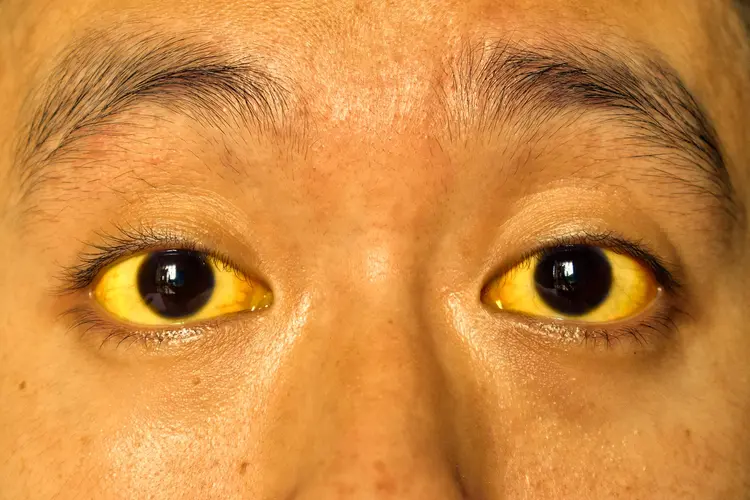
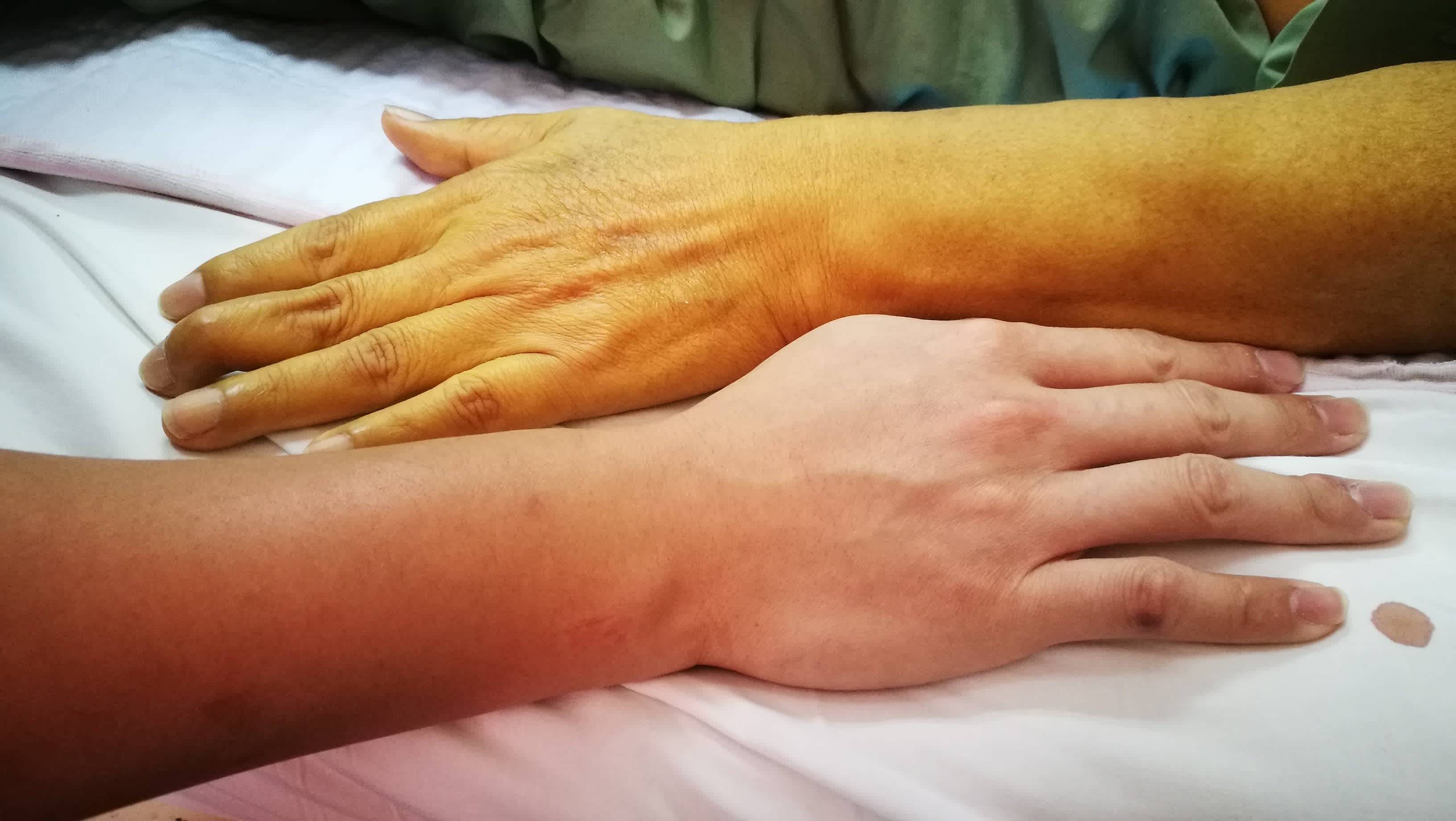
Jaundice occurs when bilirubin builds up in the bloodstream due to impaired liver processing.
Symptoms include:
- Yellowing of eyes (sclera)
- Yellow skin tone
- Dark urine
- Pale stools
Jaundice is a serious symptom requiring immediate medical evaluation.
3. Dark Urine and Pale or Clay-Colored Stool
If bile flow is blocked or reduced:
- Urine becomes dark brown or tea-colored
- Stools become pale, gray, or clay-colored
- This may indicate bile duct obstruction or advanced liver dysfunction.
4. Abdominal Pain and Swelling (Ascites)

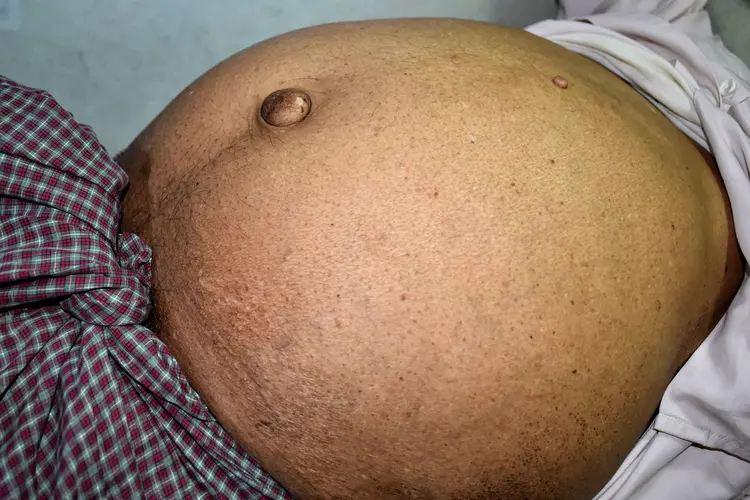

Pain in the upper right abdomen may signal liver inflammation or enlargement.
In advanced stages, fluid accumulates in the abdomen (ascites), causing:
- Visible swelling
- Tightness or heaviness
- Rapid weight gain
Severe ascites can interfere with breathing and digestion.
5. Nausea, Vomiting, and Digestive Problems
When the liver struggles to produce bile efficiently, digestion suffers. You may experience:
- Frequent nausea
- Vomiting
- Bloating
- Indigestion
- Loss of appetite
Persistent digestive discomfort may indicate liver stress.
6. Unexplained Weight Loss
Sudden weight loss without dietary changes may result from:
- Poor nutrient absorption
- Loss of appetite
- Metabolic dysfunction
- This is often seen in chronic liver disease.
7. Swelling in Legs and Ankles (Edema)
A damaged liver produces less albumin, a protein that keeps fluid in blood vessels.
Low albumin levels can cause:
- Swollen feet
- Puffy ankles
- Tight shoes
- Indentations when pressing the skin
Edema often worsens as liver disease progresses.
8. Persistent Itchy Skin (Pruritus)
Bile salt buildup under the skin can cause severe itching, especially:
- At night
- On palms and soles
- Without visible rash
This symptom is common in cholestatic liver diseases.
9. Easy Bruising and Bleeding
The liver produces clotting factors. Damage reduces clotting ability, leading to:
- Frequent bruises
- Bleeding gums
- Nosebleeds
- Prolonged bleeding from cuts
This can be an early sign of advanced dysfunction.
10. Mental Confusion or Memory Problems (Hepatic Encephalopathy)
Toxins like ammonia may reach the brain when the liver cannot filter them.
Symptoms include:
- Confusion
- Mood changes
- Forgetfulness
- Poor concentration
- Drowsiness
In severe cases, it can lead to coma.
11. Enlarged Liver (Hepatomegaly)
Doctors may detect an enlarged liver during:
- Physical examination
- Ultrasound
- CT scan
Common causes:
- Fatty liver disease
- Hepatitis
- Alcoholic liver disease
12. Spider Angiomas (Spider-Like Blood Vessels)
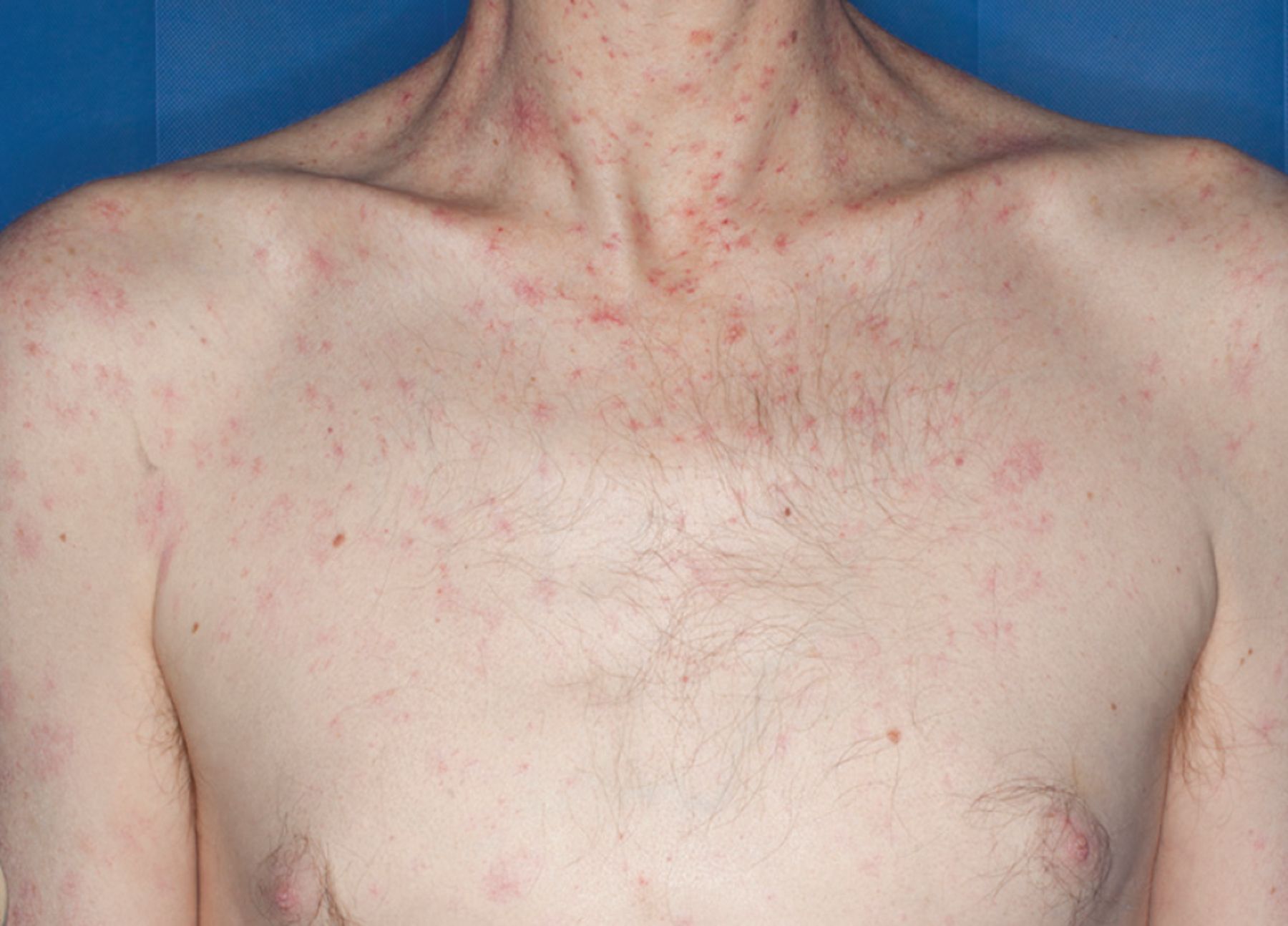
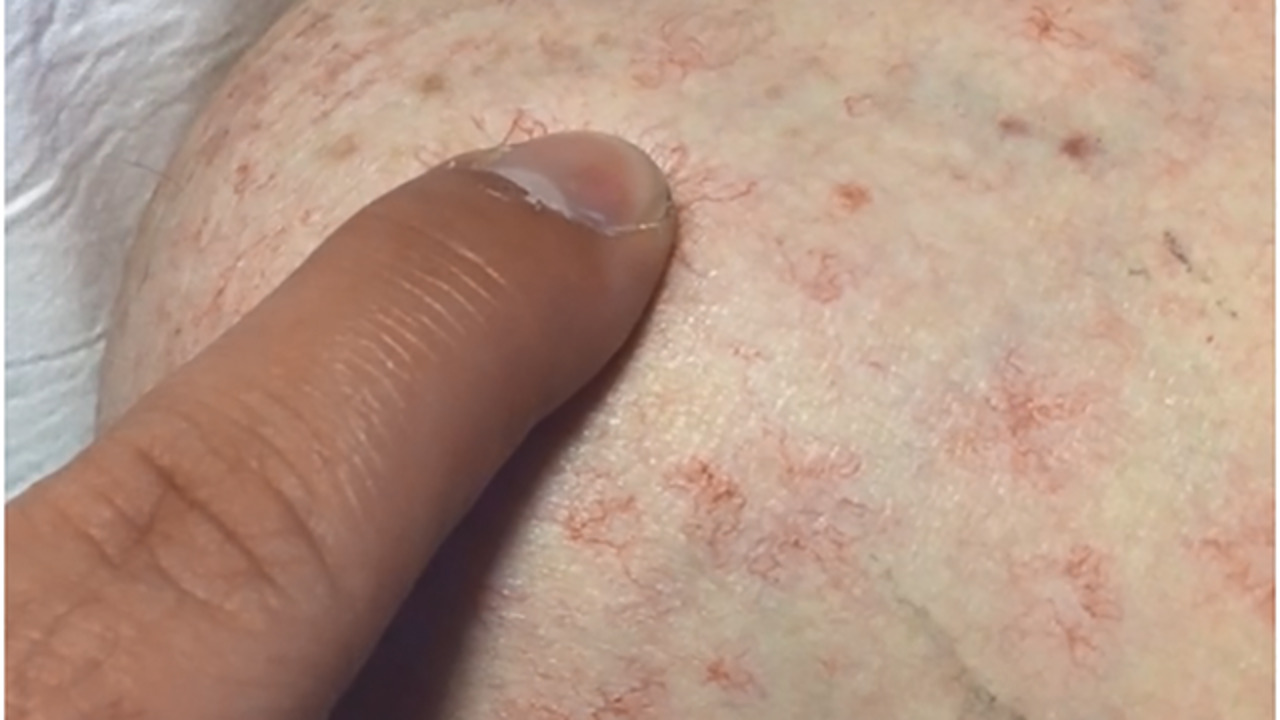

These are small red, spider-shaped blood vessels visible on:
- Chest
- Neck
- Face
- Arms
They result from hormonal imbalance due to liver dysfunction.
13. Bad Breath (Fetor Hepaticus) and Metallic Taste
Advanced liver disease may cause:
- Musty or sweet-smelling breath
- Metallic taste in mouth
- This happens due to toxin buildup in the bloodstream.
14. Hormonal Imbalance and Sexual Dysfunction
The liver regulates hormones. Damage can cause:
In women:
- Irregular periods
- Missed cycles
In men:
- Reduced libido
- Erectile dysfunction
- Gynecomastia (breast enlargement)
Stages of Liver Disease Progression
| Stage | Description | Reversibility |
|---|---|---|
| Inflammation | Liver cells become inflamed | Reversible |
| Fibrosis | Scar tissue begins forming | Partially reversible |
| Cirrhosis | Extensive scarring | Irreversible |
| Liver Failure | Organ stops functioning | Life-threatening |
Early-stage intervention greatly improves outcomes.
Common Causes of Liver Damage
- Excessive alcohol use
- Viral hepatitis (A, B, C)
- Non-alcoholic fatty liver disease (NAFLD)
- Obesity and diabetes
- High cholesterol
- Certain medications (e.g., acetaminophen overdose)
- Autoimmune diseases
- Exposure to industrial toxins
- Genetic disorders (hemochromatosis, Wilson’s disease)
When to See a Doctor Immediately
Seek urgent medical care if you experience:
- Yellowing of skin or eyes
- Severe abdominal swelling
- Vomiting blood
- Black tarry stools
- Confusion or extreme drowsiness
- Sudden rapid weight loss
How Liver Damage Is Diagnosed
Doctors may recommend:
1. Liver Function Tests (LFT)
- Measures ALT, AST, ALP, bilirubin, and albumin levels.
2. Imaging Tests
- Ultrasound
- CT scan
- MRI
3. FibroScan
- Measures liver stiffness (detects fibrosis).
4. Liver Biopsy
- Confirms severity and cause of damage.
5. Viral Hepatitis Panel
- Detects hepatitis infections.
Treatment Options for Liver Damage
Treatment depends on the cause and stage.
Lifestyle Modifications
- Stop alcohol completely
- Maintain healthy weight
- Eat antioxidant-rich foods
- Exercise 30 minutes daily
- Avoid unnecessary medications
Medical Treatments
- Antiviral therapy for hepatitis
- Steroids for autoimmune hepatitis
- Diuretics for fluid retention
- Lactulose for hepatic encephalopathy
Advanced Care
- Endoscopic procedures for varices
- Liver transplant for end-stage disease
How to Prevent Liver Damage
- Limit alcohol intake
- Get vaccinated for Hepatitis A & B
- Practice safe sex
- Avoid sharing needles
- Maintain healthy BMI
- Control diabetes and cholesterol
- Drink adequate water
- Reduce processed food intake
Final Thoughts
Your liver plays a critical role in maintaining overall health. The 14 early signs of liver damage — including fatigue, jaundice, abdominal swelling, itching, and confusion — should never be ignored.
Early diagnosis can prevent life-threatening complications like cirrhosis and liver failure. If you experience multiple symptoms, consult a healthcare professional for evaluation.
Taking proactive steps today can protect your liver and ensure long-term health and vitality.
