


Gallbladder Stone Symptoms: When Do You Need Surgery?
Gallbladder stones, also known as gallstones or cholelithiasis, are hard deposits that form inside the gallbladder. Many people have gallstones without experiencing any symptoms and may discover them accidentally during an ultrasound or other abdominal investigation. However, when a gallstone blocks the flow of bile, it can cause significant pain and may lead to complications requiring medical treatment.
One of the most common questions patients ask is: “If I have gallstones, do I need surgery?”
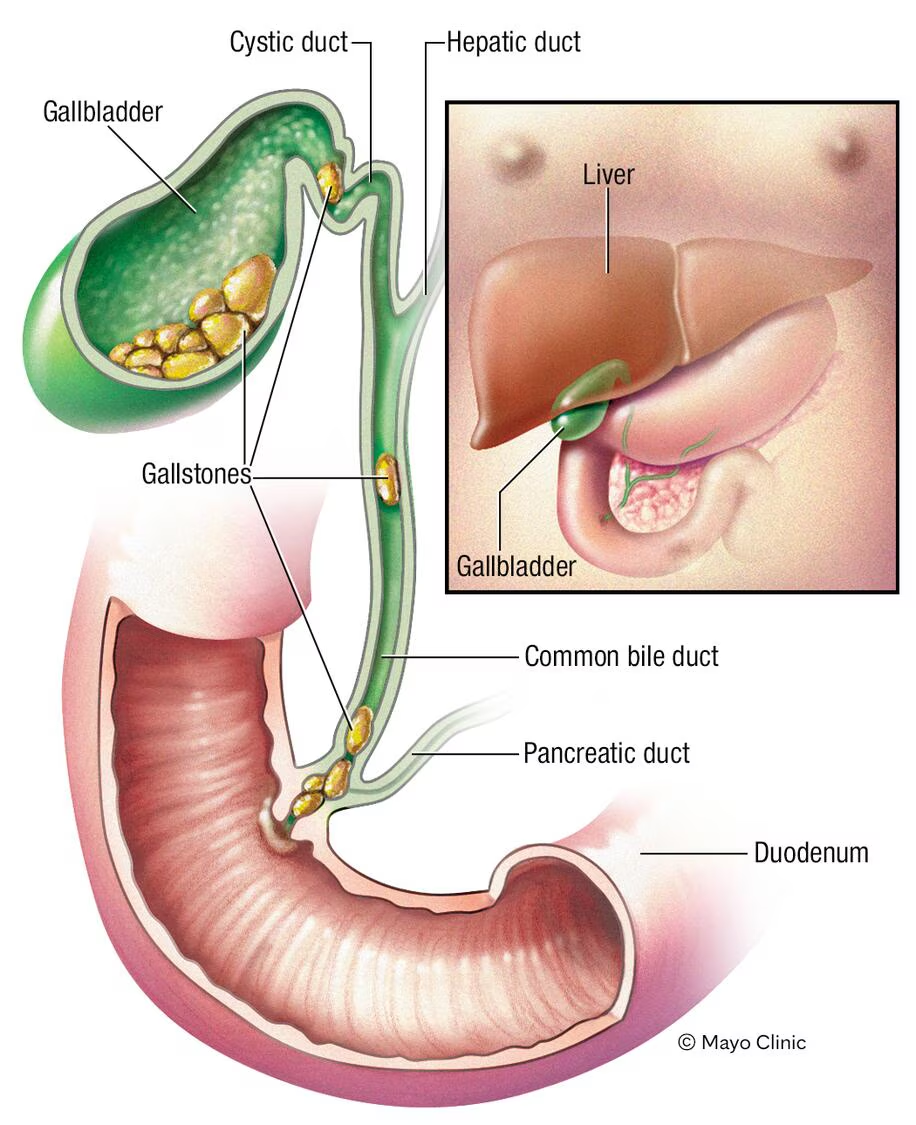
The answer depends on whether the stones are causing symptoms, whether there are complications, where the stones are located, and your overall health. In many people with symptomatic gallstones, laparoscopic gallbladder removal surgery (laparoscopic cholecystectomy) is the standard treatment.
If you have been diagnosed with gallstones and are experiencing repeated abdominal pain, nausea, vomiting, jaundice, fever, or other symptoms, a consultation with a qualified general or laparoscopic surgeon can help determine the appropriate treatment.
What Are Gallstones?
The gallbladder is a small, pear-shaped organ located beneath the liver. It stores bile, a digestive fluid produced by the liver. When you eat, the gallbladder releases bile into the small intestine to help digest fats.
Gallstones form when substances in bile, such as cholesterol or bilirubin, become concentrated and form solid particles. Stones can vary in size and number—from very small stones to larger stones.
Some people may have a single gallstone, while others may have multiple stones.
Types of gallstones
The two major types of gallstones are:
- Cholesterol stones
- Pigment stones
Most gallstones do not cause symptoms. These are sometimes called silent gallstones. If gallstones are not causing symptoms or complications, treatment may not be necessary in many cases.
What Are the Symptoms of Gallbladder Stones?
Gallstones may remain completely silent. Symptoms usually occur when a stone blocks the gallbladder outlet or bile duct.
Common gallbladder stone symptoms include:
1. Upper abdominal pain
Pain from gallstones commonly occurs in the upper-right or upper-middle part of the abdomen. It can sometimes be felt beneath the right ribs.
The pain may be:
- Sudden or intense
- Constant rather than cramp-like
- Present for several hours
- More noticeable after eating
- Associated with nausea or vomiting
A typical gallbladder attack is often called biliary colic.
2. Pain after meals
Some people notice abdominal discomfort or pain after eating, particularly following a heavy or fatty meal.
However, not every episode of indigestion or abdominal pain is caused by gallstones. Conditions such as acid reflux, ulcers, pancreatitis and appendicitis can cause similar symptoms, so proper medical evaluation is important.
3. Nausea and vomiting
Gallbladder attacks can be accompanied by nausea and vomiting. Recurrent episodes should be evaluated by a doctor, especially when they occur together with significant abdominal pain.
4. Bloating and digestive discomfort
Some people with gallstones report bloating, indigestion or discomfort after meals. These symptoms are not specific to gallstones, however, so an ultrasound and clinical evaluation may be required to determine the cause.
5. Fever or chills
Fever or chills along with abdominal pain may indicate inflammation or infection and should not be ignored. Gallstones can sometimes lead to inflammation of the gallbladder or other complications.
6. Jaundice
Yellowing of the skin or the whites of the eyes can occur if a gallstone blocks the bile ducts.
Other possible signs include:
- Dark or tea-colored urine
- Pale-colored stools
- Itching
- Abdominal pain
Jaundice associated with abdominal pain requires prompt medical evaluation.
When Do Gallbladder Stones Need Surgery?
Not everyone with gallstones needs an operation.
If gallstones are discovered incidentally and you have no symptoms or complications, your doctor may recommend observation rather than immediate surgery.
However, gallbladder removal surgery may be recommended when gallstones cause symptoms or complications.
Situations that may lead a surgeon to recommend surgery include:
1. Repeated gallbladder attacks
If you have repeated episodes of upper abdominal pain caused by gallstones, the symptoms may return. In symptomatic gallstone disease, gallbladder removal is commonly used as definitive treatment.
2. Acute cholecystitis
A gallstone can block the gallbladder outlet and cause inflammation known as acute cholecystitis.
Symptoms may include:
- Persistent upper-right abdominal pain
- Fever
- Nausea or vomiting
- Tenderness in the abdomen
This condition requires medical assessment and may require hospital treatment and surgery.
3. Gallstones in the common bile duct
A stone can sometimes move from the gallbladder into the common bile duct.
This may cause:
- Jaundice
- Abnormal liver blood tests
- Abdominal pain
- Infection of the bile ducts
- Other complications
When a stone is lodged in the common bile duct, an endoscopic procedure called ERCP (endoscopic retrograde cholangiopancreatography) may sometimes be used to remove the duct stone. Gallbladder removal may then be recommended depending on the clinical situation.
4. Gallstone-related pancreatitis
A gallstone can block the passage between the bile duct and pancreatic duct and contribute to acute pancreatitis.
Severe upper abdominal pain, especially when associated with vomiting or pain extending toward the back, requires urgent medical evaluation.
5. Severe or frequent abdominal pain
Frequent or severe pain related to gallstones can significantly affect daily activities, eating habits and quality of life. Your surgeon can evaluate whether gallbladder removal is appropriate based on your symptoms and investigation results.
What Tests Are Used to Diagnose Gallstones?
If gallstones are suspected, your doctor may recommend a combination of medical history, physical examination, blood tests and imaging.
Ultrasound
An abdominal ultrasound is commonly used to detect gallstones and evaluate the gallbladder. It is non-invasive and does not use radiation. NIDDK identifies ultrasound as the best imaging test for finding gallstones.
Blood tests
Blood tests may help identify signs of:
- Infection
- Inflammation
- Liver or bile duct problems
- Pancreatic involvement
The exact tests depend on your symptoms and clinical findings.
Additional imaging
In selected cases, doctors may recommend additional tests such as CT, MRI/MRCP or a HIDA scan.
If a common bile duct stone is suspected, further evaluation may be required. ERCP can be used in selected situations to treat a stone located in the bile duct.
What Is Laparoscopic Gallbladder Surgery?
The most common operation for symptomatic gallstones is cholecystectomy, which means removal of the gallbladder.
Most gallbladder removals are performed using a minimally invasive technique called laparoscopic cholecystectomy.
During laparoscopic surgery:
- The patient receives general anaesthesia.
- The surgeon makes small abdominal incisions.
- A laparoscope with a camera is inserted.
- Surgical instruments are used through the small incisions.
- The gallbladder is separated and removed.
- The small incisions are closed after the procedure.
The exact surgical approach depends on the patient’s condition and the surgeon’s assessment.
In some circumstances, open surgery may be required, particularly when there is severe inflammation, scarring or difficulty safely completing the operation laparoscopically.
Is Gallbladder Removal Safe?
Gallbladder removal is a commonly performed operation, but like any surgery, it has potential risks.
Possible complications can include:
- Bleeding
- Infection
- Anaesthesia-related complications
- Injury to nearby structures
- Bile leakage
- Bile duct injury
- Blood clots
Your surgeon should discuss the potential risks and benefits with you before surgery.
After gallbladder removal, bile flows directly from the liver through the bile ducts into the intestine rather than being stored in the gallbladder. Because the gallbladder is not an essential organ, many people can live normally without it.
How Long Does It Take to Recover After Gallbladder Surgery?
Recovery varies from person to person and depends on the type of surgery, your general health and whether there were complications.
After uncomplicated laparoscopic gallbladder surgery, many patients can gradually return to normal activities relatively quickly. NIDDK notes that patients may be able to return to normal physical activity in about a week, although individual recovery times vary.
Your surgeon will provide specific instructions regarding:
- Diet
- Wound care
- Physical activity
- Driving
- Work
- Follow-up appointments
Do not compare your recovery with another patient’s recovery because healing can vary significantly.
What Can You Eat After Gallbladder Surgery?
After surgery, your digestive system needs time to adjust.
Your doctor may initially recommend smaller, lighter meals and gradual progression toward your usual diet.
Some people temporarily experience:
- Loose stools
- More frequent bowel movements
- Bloating
- Changes in digestion
These symptoms often improve with time, although persistent or severe symptoms should be discussed with your doctor.
Rather than following an extreme diet, follow the dietary instructions provided by your treating doctor or dietitian.
Can Gallstones Be Treated Without Surgery?
In selected circumstances, non-surgical treatments may be considered. However, they are not suitable for everyone.
Medicines such as bile-acid therapy may be used in specific situations, particularly for certain cholesterol stones when surgery is unsuitable. These treatments can take a long time, and gallstones may return after treatment.
For symptomatic gallstone disease, surgery to remove the gallbladder is generally the main definitive treatment.
It is important not to rely on unproven “gallbladder flushes,” home remedies or internet treatments as a substitute for medical evaluation.
When Should You Seek Urgent Medical Attention?
Gallstone symptoms should not be ignored when they are severe or associated with warning signs.
Seek urgent medical attention if you experience:
- Severe or persistent abdominal pain
- Abdominal pain lasting several hours
- Fever or chills
- Repeated vomiting
- Yellow skin or eyes
- Dark urine
- Pale stools
- Severe abdominal pain with pain spreading toward the back
- Sudden worsening of symptoms
These symptoms may indicate complications such as gallbladder inflammation, bile duct obstruction or pancreatitis.
Gallstones: When Is Surgery Usually Considered?
A simple way to understand it is:
Gallstones without symptoms:
Treatment may not be required in many cases, although your doctor may recommend observation depending on your individual circumstances.
Gallstones causing repeated pain:
A surgical consultation is appropriate, and gallbladder removal may be recommended.
Gallstones causing complications:
Prompt medical treatment is required, and surgery or other procedures may be necessary.
Gallstone in the common bile duct:
Further evaluation is required. ERCP may be used in selected cases to remove a duct stone, followed by management of the gallbladder as appropriate.
Gallbladder Stone Surgery in Thane
Patients searching for gallbladder stone treatment in Thane, gallbladder stone surgery in Thane, or laparoscopic gallbladder surgery in Thane can consult a qualified general or laparoscopic surgeon for an individual assessment.
Tieten Medicity in Thane West provides general and advanced laparoscopic surgical care. The hospital lists gallbladder removal (cholecystectomy) among its general surgery services and lists Dr. Pradeep Tripathi as a general and advanced laparoscopic surgeon.
At Tieten Medicity, the surgical evaluation may include reviewing your symptoms, ultrasound reports, blood investigations and overall medical history before discussing whether surgery is appropriate.
The hospital is located on Ghodbunder Road, Kasarvadavali, Thane West, Maharashtra 400615.
Frequently Asked Questions About Gallbladder Stones
1. What are the most common gallbladder stone symptoms?
Common symptoms include upper-right or upper-middle abdominal pain, nausea and vomiting. Pain can last for several hours and may occur after meals. Fever, jaundice or persistent severe pain can indicate a complication and require prompt medical assessment.
2. Do all gallstones require surgery?
No. Many gallstones do not cause symptoms and may not require treatment. Surgery is generally considered when gallstones cause symptoms or complications.
3. Is laparoscopic surgery used for gallstones?
Yes. Laparoscopic cholecystectomy is the most common surgical approach for gallbladder removal. However, the appropriate surgical method depends on the patient’s condition and the surgeon’s assessment.
4. Can gallstones disappear on their own?
Gallstones generally do not simply disappear. Some non-surgical medicines may dissolve certain cholesterol stones in selected patients, but treatment can take months or years and stones can recur.
5. Can I live normally without a gallbladder?
Yes. The gallbladder is not an essential organ. After removal, bile flows directly from the liver into the small intestine.
6. What happens if gallstones are left untreated?
If gallstones are not causing symptoms, they may remain harmless. However, symptomatic stones or stones that block the bile ducts can lead to complications including gallbladder inflammation, bile duct problems or pancreatitis.
7. How is gallbladder stone disease diagnosed?
Doctors commonly use a medical history, physical examination, blood tests and abdominal ultrasound. Additional imaging may be recommended depending on the suspected complication.
Conclusion
Gallbladder stones are common, but not every person with gallstones needs surgery. The most important factor is whether the stones are causing symptoms or complications.
Repeated upper abdominal pain, nausea, vomiting, fever, jaundice or other concerning symptoms should be evaluated by a medical professional. When symptomatic gallstones require treatment, laparoscopic gallbladder removal (laparoscopic cholecystectomy) is commonly used.
If you have been diagnosed with gallstones and are unsure whether you need surgery, consult a general and laparoscopic surgeon in Thane for an evaluation based on your symptoms, ultrasound findings and overall health.
For patients in Thane West, Tieten Medicity provides general and advanced laparoscopic surgical services, including gallbladder removal surgery.
Medical Disclaimer: This article is intended for general educational purposes only. It does not replace an examination, diagnosis or treatment plan from a qualified medical professional. If you have severe abdominal pain, fever, jaundice, persistent vomiting or other emergency symptoms, seek urgent medical care.
