



Causes of Piles in Women: Symptoms, Diagnosis, Treatment & Prevention
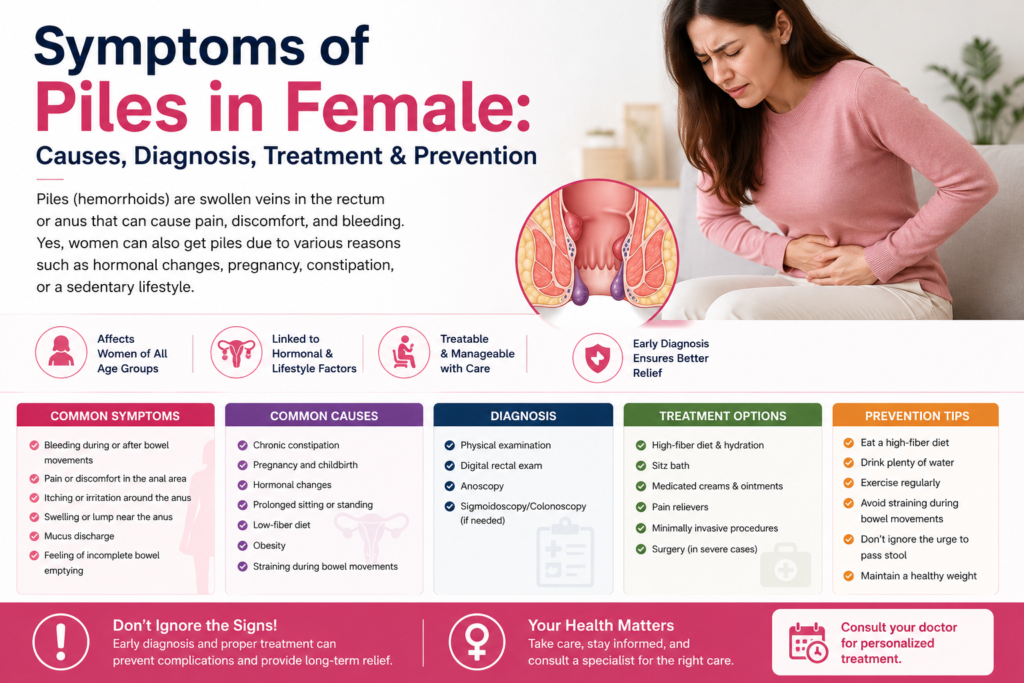
Causes of Piles in Women: Symptoms, Diagnosis, Treatment & Prevention
Piles, medically known as hemorrhoids, are swollen veins located in the lower rectum or around the anus. They are one of the most common anorectal conditions affecting both men and women. However, women are more likely to develop piles due to hormonal fluctuations, pregnancy, childbirth, and lifestyle-related factors.
Many women ignore the early symptoms of piles because they feel embarrassed or mistake them for temporary digestive problems. Delaying treatment can worsen the condition, leading to increased pain, bleeding, and complications that may require surgical intervention.
Fortunately, piles can often be prevented and treated successfully with early diagnosis, dietary changes, lifestyle modifications, and appropriate medical care.
At Tieten Medicity Hospital, our experienced specialists provide advanced diagnosis and comprehensive treatment for hemorrhoids using both non-surgical and minimally invasive procedures, ensuring faster recovery and long-term relief.
What Are Piles?
Piles are enlarged blood vessels that develop inside the rectum or around the anal opening due to increased pressure. Depending on their location, piles may be internal or external.
- Internal hemorrhoids usually remain inside the rectum and often cause painless bleeding during bowel movements.
- External hemorrhoids develop under the skin around the anus and are more likely to cause pain, swelling, itching, and discomfort.
- If left untreated, hemorrhoids may enlarge, prolapse outside the anus, or develop blood clots, making treatment more complicated.
Why Are Women More Prone to Piles?
Women experience several physiological changes throughout life that increase pressure on the rectal veins. Pregnancy, childbirth, hormonal changes, constipation, and menopause all contribute to a higher risk of hemorrhoids.
- Additionally, modern lifestyle habits such as prolonged sitting, inadequate water intake, low-fiber diets, obesity, and lack of exercise further increase the chances of developing piles.
- Understanding these risk factors can help women take preventive measures before the condition becomes severe.
Causes of Piles in Women
Pregnancy
- Pregnancy is one of the leading causes of piles in women.
- As the baby grows, the uterus places increasing pressure on the pelvic veins and rectum. This pressure slows blood circulation and causes veins around the anus to enlarge.
- Pregnancy hormones also relax the intestinal muscles, making bowel movements slower and increasing the likelihood of constipation.
- Together, these factors significantly increase the risk of hemorrhoids during pregnancy.
Childbirth
- Normal vaginal delivery places tremendous pressure on the pelvic floor muscles and rectal veins.
- Prolonged pushing during labor can stretch and weaken these veins, resulting in swollen hemorrhoids immediately after delivery.
- Many women experience piles for the first time during the postpartum period.
Hormonal Changes
- Hormones play a major role in digestive health.
- During menstruation, pregnancy, and menopause, hormonal fluctuations can slow intestinal movement and affect blood vessel elasticity.
- Higher progesterone levels relax smooth muscles, causing constipation, while reduced estrogen levels during menopause may weaken vein walls.
- These hormonal changes make women more susceptible to piles throughout different stages of life.
Chronic Constipation
Constipation remains one of the biggest risk factors for hemorrhoids. Passing hard stools requires excessive straining, which places repeated pressure on the veins surrounding the rectum.
- Over time, these veins become swollen and inflamed.
- Constipation commonly develops due to:
- Low fiber intake
- Inadequate water consumption
- Poor eating habits
- Certain medications
- Lack of physical activity
Low-Fiber Diet
- Fiber keeps stools soft and promotes healthy bowel movements.
- Women who consume processed foods, refined flour products, junk food, and sugary snacks often develop constipation.
- Insufficient fiber increases pressure during bowel movements and contributes directly to hemorrhoid formation.
Good fiber sources include:
- Whole grains
- Oats
- Fruits
- Vegetables
- Lentils
- Beans
- Seeds
Dehydration
- Water plays an essential role in maintaining healthy digestion.
- When the body lacks adequate fluids, stools become dry and difficult to pass.
- Regular dehydration increases constipation, forcing women to strain repeatedly during bowel movements.
- Doctors generally recommend drinking at least 2–3 liters of water daily unless otherwise advised for specific medical conditions.
Sitting for Long Hours
- Many women spend several hours sitting while working in offices, studying, driving, or managing desk-based jobs.
- Prolonged sitting reduces blood circulation in the pelvic region and increases pressure around the rectum.
- This continuous pressure contributes to swollen veins and the development of piles.
- Standing up, stretching, and walking every hour can help improve circulation.
Obesity
- Being overweight places continuous pressure on the abdomen and pelvic floor.
- Excess body weight increases stress on the rectal veins and also raises the likelihood of constipation.
- Maintaining a healthy weight through balanced nutrition and regular exercise significantly reduces the risk of piles.
Lack of Physical Activity
- Regular movement stimulates healthy bowel function.
- Women with sedentary lifestyles often experience slower digestion, poor circulation, and chronic constipation.
- Simple activities like walking, yoga, cycling, and swimming improve digestive health and reduce pressure on rectal veins.
Heavy Weight Lifting
- Repeated lifting of heavy objects increases abdominal pressure.
- Women involved in physically demanding work or intense gym workouts without proper lifting techniques may unknowingly strain the rectal veins.
- Using proper posture and breathing techniques while lifting can help minimize the risk.
Family History
- Genetics also influence the likelihood of developing piles.
- Some women inherit weaker vein walls or connective tissues, making them naturally more prone to hemorrhoids.
- Although genetic factors cannot be changed, maintaining healthy bowel habits can significantly reduce symptoms.
Aging
- As women age, the tissues supporting the rectum gradually weaken.
- Combined with years of constipation or prolonged sitting, aging increases the likelihood of hemorrhoids, especially after the age of 40.
- Regular health check-ups become increasingly important during this stage of life.
Common Risk Factors for Piles in Women
Women are more likely to develop hemorrhoids if they:
- Are pregnant or have recently delivered a baby
- Frequently suffer from constipation
- Follow a low-fiber diet
- Drink insufficient water
- Spend long hours sitting
- Are overweight or obese
- Perform heavy lifting regularly
- Have a family history of hemorrhoids
Lead a sedentary lifestyle Part 2: Symptoms, Types, Diagnosis & Treatment of Piles in Women
Symptoms of Piles in Women
The symptoms of piles vary depending on whether the hemorrhoids are internal or external. While some women experience only mild discomfort, others may develop severe pain and bleeding that requires immediate medical attention.
Recognizing the symptoms early can help prevent complications and ensure timely treatment.
Rectal Bleeding
One of the earliest and most common symptoms of piles is painless rectal bleeding. Women may notice bright red blood on toilet paper, in the toilet bowl, or on the stool after passing bowel movements.
Although hemorrhoids commonly cause rectal bleeding, persistent bleeding should always be evaluated by a doctor to rule out other digestive conditions.
Pain During Bowel Movements
Pain while passing stools usually occurs with external or thrombosed hemorrhoids. The pain may range from mild discomfort to severe, sharp pain, especially when sitting or walking.
Itching Around the Anus
Swollen hemorrhoids can produce mucus that irritates the surrounding skin. This often causes persistent itching, burning, and irritation around the anal area.
Swelling Around the Anus
Women may notice swelling or inflammation around the anus. External piles often appear as soft or firm lumps that may become painful if blood clots develop.
Lump Near the Anal Opening
A small lump near the anus may indicate an external hemorrhoid. In advanced cases, internal hemorrhoids may protrude outside the anus, known as prolapsed piles.
Mucus Discharge
Some women experience mucus discharge after bowel movements, which can cause irritation, itching, and discomfort.
Feeling of Incomplete Bowel Emptying
Many women feel as though the bowel has not completely emptied even after passing stools. This sensation is common in larger internal hemorrhoids.
Discomfort While Sitting
Women who sit for prolonged periods may experience pressure, aching, or discomfort due to swollen external hemorrhoids.
Types of Piles in Women
Understanding the different types of hemorrhoids helps determine the most appropriate treatment.
Internal Hemorrhoids
Internal hemorrhoids develop inside the rectum and are usually painless because there are fewer pain-sensitive nerves in this area.
Symptoms include:
- Painless bleeding
- Mild discomfort
- Prolapse in advanced stages
External Hemorrhoids
External hemorrhoids develop beneath the skin around the anus.
Symptoms include:
- Pain
- Swelling
- Itching
- Tender lump
- Difficulty sitting
Prolapsed Hemorrhoids
When internal hemorrhoids enlarge, they may protrude outside the anal opening.
These are classified into four grades:
Grade I
- Remain inside the rectum.
Grade II
- Protrude during bowel movement but return automatically.
Grade III
- Require manual repositioning.
Grade IV
- Remain permanently outside and usually require surgical treatment.
Thrombosed Hemorrhoids
A thrombosed hemorrhoid occurs when a blood clot forms inside an external hemorrhoid.
Symptoms include:
- Severe pain
- Blue or purple swelling
- Hard lump
- Difficulty walking or sitting
- This condition requires urgent medical evaluation.
How Are Piles Diagnosed?
At Tieten Medicity Hospital, diagnosis begins with a detailed medical evaluation to determine the severity of hemorrhoids and exclude other conditions such as anal fissures, fistulas, inflammatory bowel disease, or colorectal cancer.
Medical History
The doctor asks about:
- Duration of symptoms
- Bleeding
- Constipation
- Pregnancy history
- Family history
- Dietary habits
- Lifestyle
Physical Examination
The anal area is carefully examined for:
- External hemorrhoids
- Swelling
- Skin irritation
- Prolapsed piles
- Blood clots
Digital Rectal Examination (DRE)
A lubricated gloved finger is gently inserted into the rectum to evaluate:
- Internal hemorrhoids
- Muscle tone
- Tenderness
- Other abnormalities
Anoscopy
An anoscope is a small illuminated instrument that allows the doctor to examine the anal canal and lower rectum.
It helps identify:
- Internal hemorrhoids
- Bleeding source
- Size and location
Sigmoidoscopy or Colonoscopy
If bleeding is persistent or other warning signs are present, additional investigations may be recommended, especially for women over 40 years of age.
These tests help rule out:
- Polyps
- Colon cancer
- Ulcerative colitis
- Other gastrointestinal disorders
Treatment for Piles in Women
Treatment depends on the severity of symptoms and the grade of hemorrhoids. At Tieten Medicity Hospital, treatment plans are personalized based on each patient’s condition.
Lifestyle Modifications
For mild hemorrhoids, lifestyle changes often provide significant relief.
Doctors recommend:
- High-fiber diet
- Adequate hydration
- Daily exercise
- Avoid prolonged sitting
- Healthy bowel habits
Medications
Doctors may prescribe:
- Stool softeners
- Fiber supplements
- Pain-relieving medicines
- Anti-inflammatory creams
- Medicated suppositories
- These medications reduce pain, swelling, and discomfort.
Non-Surgical Treatments
Patients with moderate hemorrhoids may benefit from minimally invasive procedures.
These include:
Rubber Band Ligation
A small rubber band is placed around the hemorrhoid, cutting off its blood supply. The hemorrhoid shrinks and falls off naturally.
Sclerotherapy
- A special solution is injected into the hemorrhoid, causing it to shrink.
Infrared Coagulation
- Heat energy is used to shrink internal hemorrhoids without surgery.
- These procedures are quick, effective, and usually performed on an outpatient basis.
Surgical Treatment
- Advanced hemorrhoids may require surgery.
- Common procedures include:
- Hemorrhoidectomy
- Stapled hemorrhoidopexy
- Laser hemorrhoid surgery (where appropriate)
Modern surgical techniques result in less pain, faster recovery, and lower recurrence rates.
Why Choose Tieten Medicity Hospital for Piles Treatment?
At Tieten Medicity Hospital, patients receive comprehensive care from experienced specialists using advanced diagnostic tools and evidence-based treatment options.
Our approach focuses on:
- Accurate diagnosis
- Personalized treatment plans
- Minimally invasive procedures
- Advanced surgical care
- Compassionate patient support
- Faster recovery and long-term relief
How to Prevent Piles in Women
Preventing piles is often easier than treating them. Healthy lifestyle habits significantly reduce the risk of developing hemorrhoids.
Eat a High-Fiber Diet
Include foods such as:
- Apples
- Papaya
- Pears
- Oats
- Brown rice
- Whole wheat
- Green leafy vegetables
- Lentils
- Beans
- Chia seeds
- Flaxseeds
Aim for 25–30 grams of fiber daily.
Drink Plenty of Water
Drink at least 2–3 liters of water daily to keep stools soft and prevent constipation.
Exercise Regularly
Activities such as:
- Walking
- Yoga
- Swimming
- Cycling
- Stretching
- help improve digestion and bowel movement.
Avoid Prolonged Sitting
Take short breaks every hour if you work at a desk.
Follow Healthy Toilet Habits
- Don’t delay bowel movements.
- Avoid excessive straining.
- Limit toilet time to 5–10 minutes.
- Avoid using mobile phones while on the toilet.
Maintain a Healthy Weight
- Weight management reduces pressure on pelvic veins and lowers the risk of hemorrhoids.
Best Diet for Women with Piles
Foods to Eat
- Whole grains
- Fresh fruits
- Vegetables
- Yogurt
- Lentils
- Sprouts
- Oats
- Brown rice
- Nuts
- Seeds
Foods to Avoid
- Spicy foods
- Fried foods
- Processed snacks
- Fast food
- Refined flour
- Excess red meat
- Alcohol
- Sugary beverages
Natural Home Remedies for Mild Piles
Warm Sitz Bath
Sit in warm water for 15–20 minutes several times daily to reduce pain and swelling.
Cold Compress
- Apply an ice pack wrapped in a cloth to decrease inflammation.
Aloe Vera Gel
- Pure aloe vera gel may soothe irritation around the anus.
Fiber Supplements
- Psyllium husk (Isabgol) can help soften stools when taken with adequate water.
Good Hygiene
- Clean the anal area gently with warm water and pat dry. Avoid harsh soaps and rough toilet paper.
Note: Home remedies may relieve mild symptoms but do not replace professional medical care. Consult a doctor if symptoms persist, worsen, or include heavy bleeding.
When Should You See a Doctor?
Seek medical attention if you experience:
- Persistent rectal bleeding
- Severe pain
- Large swelling
- Fever
- Blood clots
- Symptoms lasting more than one week
- Difficulty passing stools
Early diagnosis can prevent complications and improve treatment outcomes.
Frequently Asked Questions (FAQs)
Are piles more common in women?
Yes. Pregnancy, childbirth, hormonal changes, and constipation increase the risk of piles in women.
Can piles go away without surgery?
Mild piles often improve with dietary changes, medications, and lifestyle modifications. Advanced cases may require minimally invasive procedures or surgery.
Can pregnancy cause piles?
Yes. Increased pressure from the growing uterus and hormonal changes make pregnancy a common cause of hemorrhoids.
Is rectal bleeding always caused by piles?
No. Although hemorrhoids are a common cause, rectal bleeding can also result from other gastrointestinal conditions. Medical evaluation is essential.
What is the fastest way to relieve piles?
Increasing fiber intake, drinking plenty of water, using prescribed medications, taking warm sitz baths, and following your doctor’s advice can provide relief.
Conclusion
Piles are a common yet manageable condition that affects many women due to pregnancy, hormonal changes, constipation, obesity, and lifestyle factors. Recognizing symptoms early and seeking timely medical care can prevent complications and improve quality of life.
Adopting a fiber-rich diet, staying hydrated, exercising regularly, and maintaining healthy bowel habits are essential steps in preventing hemorrhoids. While mild cases often respond well to lifestyle changes and medication, advanced cases may require specialized treatment.
Tieten Medicity Hospital offers expert diagnosis and advanced treatment for piles with a patient-centered approach. Whether you need conservative management, minimally invasive procedures, or surgical care, our experienced team is committed to helping you achieve lasting relief and better digestive health.
