



Laparoscopic Surgery for Rectal Prolapse in Thane – Advanced Treatment at Tieten Medicity Hospital
Rectal prolapse is a serious medical condition that can affect a person’s physical comfort, emotional confidence, and overall quality of life. The condition occurs when the rectum slips downward and protrudes outside the anus due to weakened pelvic muscles and supporting tissues.
Many patients initially ignore the symptoms because of embarrassment or lack of awareness, but delaying treatment may lead to worsening discomfort, bowel control problems, bleeding, and chronic constipation. Over time, even simple daily activities like sitting, walking, or passing stool can become painful and stressful. Fortunately, modern medical advancements now provide safer and more effective treatment options with minimal pain and faster recovery.
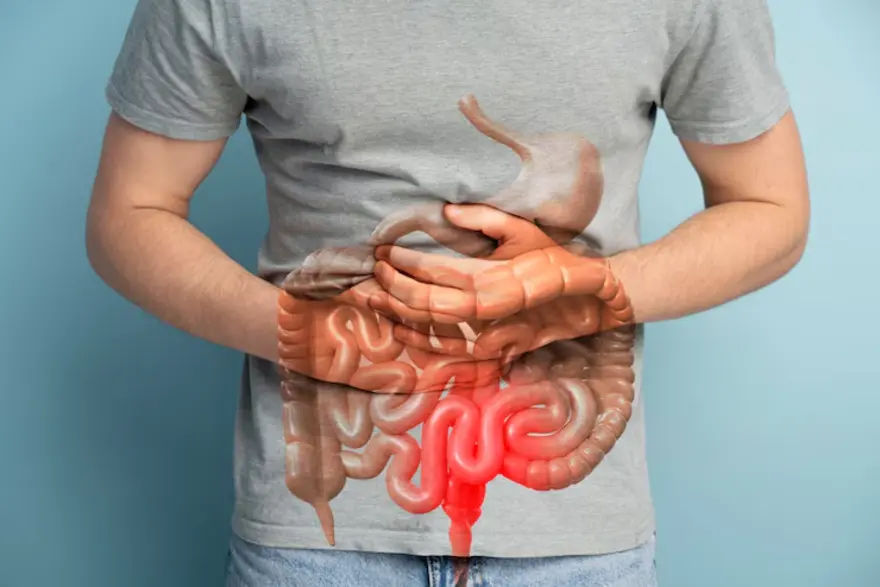
Laparoscopic surgery for rectal prolapse has emerged as one of the most advanced minimally invasive procedures for long-term relief. Patients looking for expert treatment in Thane can consult Tieten Medicity Hospital for accurate diagnosis, advanced laparoscopic surgery, and personalized patient care using modern surgical techniques.
What is Rectal Prolapse?
Rectal prolapse is a condition in which the rectum, which is the final part of the large intestine, loses its normal support and starts slipping downward through the anal opening. The severity of prolapse may vary from mild internal prolapse to complete external prolapse where the rectum visibly protrudes outside the body. The condition develops gradually and often worsens over time if not treated properly.
Patients commonly experience discomfort while passing stool, a sensation of incomplete bowel emptying, and visible swelling around the anus. Rectal prolapse can affect individuals of all age groups, but it is more commonly seen in elderly patients, women after childbirth, and people suffering from chronic constipation.
Weakening of pelvic floor muscles and repeated abdominal strain are among the major causes of this condition. In severe cases, patients may also experience difficulty controlling bowel movements, leading to embarrassment and reduced confidence in social situations. Early diagnosis and timely treatment are important to prevent complications and improve long-term bowel function.
Types of Rectal Prolapse
- Internal Rectal Prolapse
Internal rectal prolapse occurs when the rectum folds inward but does not protrude outside the anus. Although it may not be visible externally, patients can still experience symptoms like constipation, incomplete bowel emptying, pelvic pressure, and discomfort while passing stool.
This type of prolapse is often difficult to diagnose in the early stages because the symptoms may resemble other gastrointestinal conditions. Many patients complain of persistent straining and a sensation of blockage during bowel movements. Internal prolapse may gradually progress if left untreated and can eventually lead to external prolapse.
Proper imaging studies and specialist evaluation are usually required for accurate diagnosis. Lifestyle changes and early medical intervention can help prevent progression of the condition. Advanced laparoscopic surgery may be recommended in severe cases where conservative treatment does not provide relief.
- Partial Rectal Prolapse
Partial rectal prolapse involves only the inner lining of the rectum protruding through the anal opening. Patients may notice a small reddish mass during bowel movements, which often goes back inside on its own. This condition is commonly associated with chronic constipation and repeated straining. Mild bleeding, mucus discharge, irritation, and discomfort are frequently reported symptoms.
Partial prolapse may initially appear harmless, but it can worsen over time if the underlying cause is not treated. Some patients also experience itching and difficulty maintaining hygiene around the anal area. Dietary improvements, pelvic floor strengthening, and proper bowel habits can help manage mild cases. However, persistent or worsening prolapse may require surgical correction for long-term relief.
- Complete Rectal Prolapse
Complete rectal prolapse is the most severe form of the condition where the entire thickness of the rectum protrudes outside the anus. Patients often experience severe discomfort, difficulty walking, mucus leakage, bleeding, and inability to control bowel movements. The prolapsed rectum may initially go back inside manually but later remain permanently outside the body. This condition can significantly affect quality of life and may lead to infection, ulceration, and tissue damage if ignored.
Elderly patients and those with weak pelvic muscles are at higher risk for complete prolapse. The condition usually requires surgical treatment because non-surgical methods are rarely effective in advanced cases. Laparoscopic rectopexy is considered one of the most effective minimally invasive procedures for treating complete rectal prolapse with faster recovery and reduced recurrence risk.
Common Symptoms of Rectal Prolapse
Rectal prolapse symptoms can vary depending on the severity and duration of the condition. Many patients initially notice a bulging mass coming out of the anus during bowel movements, which may later occur even while standing or walking. Persistent constipation and difficulty passing stool are among the most common complaints.
Some patients may experience accidental leakage of stool or mucus due to weakened anal muscles. Bleeding from the rectum, irritation around the anus, and pelvic discomfort are also frequently observed symptoms. As the condition progresses, patients may feel pressure in the lower abdomen and a sensation of incomplete bowel evacuation after passing stool. Sitting for long periods can become uncomfortable, affecting daily activities and work performance. Early consultation with an experienced laparoscopic surgeon is essential to prevent worsening symptoms and complications.
Common Signs Include:
- Bulging tissue outside the anus
- Constipation and excessive straining
- Bleeding during bowel movements
- Mucus discharge from the rectum
- Pain and discomfort while sitting
- Fecal incontinence
- Feeling of incomplete bowel emptying
- Pelvic pressure and weakness
Causes of Rectal Prolapse
Rectal prolapse develops due to weakening of the muscles, ligaments, and tissues that support the rectum. One of the most common causes is chronic constipation, where repeated straining increases pressure inside the abdomen and weakens rectal support structures over time. Elderly individuals are more prone to prolapse because pelvic muscles naturally weaken with age. Women who have undergone multiple vaginal deliveries may also develop pelvic floor weakness that contributes to prolapse formation.
Neurological disorders affecting nerve supply to pelvic muscles can reduce muscle strength and bowel control. Chronic coughing, obesity, heavy lifting, and long-term bowel disorders are additional risk factors associated with rectal prolapse. Previous pelvic or colorectal surgeries may also damage supporting tissues and increase the likelihood of prolapse. Identifying the underlying cause is important for successful treatment and prevention of recurrence after surgery.
Diagnosis of Rectal Prolapse
Accurate diagnosis plays a crucial role in planning effective treatment for rectal prolapse. At Tieten Medicity Hospital, patients undergo detailed clinical evaluation and advanced diagnostic investigations to determine the severity of the condition. The doctor first performs a physical examination to assess the extent of prolapse and associated bowel problems.
Additional tests may be recommended to evaluate pelvic floor function and rule out other gastrointestinal disorders. Colonoscopy helps examine the large intestine for polyps, inflammation, or tumors. Defecography and MRI pelvis provide detailed imaging of pelvic structures and bowel movement abnormalities.
Anal manometry is used to measure muscle strength and bowel control function. Sigmoidoscopy may also be performed for internal examination of the rectum and colon. A proper diagnosis helps determine whether the patient requires lifestyle management, medication, or advanced laparoscopic surgery.
What is Laparoscopic Surgery for Rectal Prolapse?
Laparoscopic rectal prolapse surgery is a minimally invasive surgical procedure designed to repair and reposition the prolapsed rectum using advanced laparoscopic instruments and a high-definition camera system. Unlike traditional open surgery, this technique involves very small incisions in the abdomen, resulting in less pain, minimal blood loss, and quicker recovery. During the procedure, the surgeon carefully mobilizes the rectum and secures it in its normal anatomical position to prevent future prolapse. In some patients, a surgical mesh may be used for additional support depending on the severity of the condition.
The surgery is commonly referred to as laparoscopic rectopexy or laparoscopic ventral mesh rectopexy. Modern laparoscopic techniques provide excellent long-term outcomes with reduced risk of infection and shorter hospital stays. Most patients can resume routine activities much earlier compared to conventional open surgery. The procedure is considered highly effective for improving bowel function and restoring patient comfort.
Benefits of Laparoscopic Rectal Prolapse Surgery
Laparoscopic surgery offers several advantages compared to traditional open surgical procedures. Since the surgery is performed through small incisions, there is significantly less tissue damage and post-operative pain. Patients usually experience faster recovery and can return to normal activities within a shorter period.
The smaller incisions also reduce the risk of infection and provide better cosmetic results with minimal scarring. Hospital stay is generally shorter, allowing patients to recover comfortably at home. Many patients notice improvement in bowel function, constipation, and pelvic discomfort after successful surgery.
The minimally invasive approach also reduces blood loss and lowers the chances of surgical complications. Modern laparoscopic technology allows surgeons to perform the procedure with greater precision and safety. These benefits make laparoscopic rectopexy one of the preferred treatment options for rectal prolapse in suitable patients.
Major Benefits Include:
- Minimal pain after surgery
- Smaller surgical cuts
- Faster healing and recovery
- Reduced hospital stay
- Lower infection risk
- Better cosmetic appearance
- Early return to daily activities
- Improved bowel control and function
Who Needs Surgery for Rectal Prolapse?
Not every patient with rectal prolapse requires immediate surgery, but advanced or symptomatic cases often need surgical correction for long-term relief. Patients who experience frequent prolapse episodes, severe constipation, bleeding, or difficulty controlling bowel movements may benefit significantly from surgery.
Surgery is also recommended when conservative treatments like medications, pelvic exercises, and dietary changes fail to improve symptoms. Patients suffering from complete rectal prolapse often experience pain, irritation, and reduced quality of life, making surgery the most effective treatment option. In severe cases, prolonged prolapse may damage rectal tissues and increase infection risk.
Elderly individuals with persistent prolapse-related complications may also require surgical intervention to improve bowel function and daily comfort. Early surgical treatment can help prevent progression of the condition and reduce recurrence rates. Consulting an experienced laparoscopic surgeon is essential for selecting the most suitable treatment plan.
Preparation Before Laparoscopic Surgery
Proper preparation before laparoscopic rectal prolapse surgery helps ensure safe surgery and smooth recovery. Patients usually undergo complete medical evaluation, including blood tests, imaging studies, and anesthesia assessment.
The medical team carefully reviews the patient’s medical history, current medications, and existing health conditions before planning the procedure. Bowel preparation may be advised to clean the intestines before surgery and reduce infection risk.
Patients are generally instructed to avoid eating or drinking for several hours before the operation. Certain blood-thinning medications may need temporary adjustment under medical supervision. Lifestyle guidance, hydration advice, and dietary instructions are also provided before admission. Understanding the procedure and post-operative recovery process helps reduce anxiety and improve patient confidence before surgery.
Step-by-Step Procedure of Laparoscopic Rectopexy
Laparoscopic rectopexy is performed under general anesthesia using advanced minimally invasive surgical techniques. First, small incisions are made in the abdomen through which specialized instruments and a laparoscope are inserted.
The laparoscope provides a magnified internal view that helps the surgeon perform the procedure with high precision. The rectum is then carefully separated from surrounding tissues and repositioned into its normal anatomical location. In many cases, the rectum is fixed securely to the pelvic structures to prevent recurrence of prolapse.
Some patients may require placement of a surgical mesh for additional support. After confirming proper positioning and bleeding control, the instruments are removed and the incisions are closed with minimal stitches. The procedure is designed to provide long-term stability, improved bowel function, and reduced recurrence rates.
Recovery After Rectal Prolapse Surgery
Recovery after laparoscopic rectal prolapse surgery is usually faster and more comfortable compared to traditional open surgery. Most patients begin walking within a short time after the operation to improve circulation and reduce complications. Mild discomfort and abdominal soreness are common initially but generally improve within a few days.
Patients are advised to follow a soft and high-fiber diet to prevent constipation during the healing period. Adequate hydration is extremely important for maintaining smooth bowel movements and avoiding strain on the surgical area. Heavy lifting, strenuous exercise, and excessive straining should be avoided for several weeks after surgery. Regular follow-up visits help monitor healing progress and ensure proper recovery. With appropriate care and lifestyle modifications, most patients experience significant long-term improvement in bowel function and quality of life.
Possible Risks and Complications
Although laparoscopic rectal prolapse surgery is considered safe and effective, every surgical procedure carries some potential risks. Possible complications may include bleeding, infection, constipation, urinary difficulties, or recurrence of prolapse in rare cases. Some patients may experience temporary changes in bowel habits during the recovery phase. Mesh-related complications are uncommon but may occur in selected patients where mesh support is used.
The risk of complications can be significantly reduced by choosing an experienced laparoscopic surgeon and following proper post-operative instructions. Early diagnosis of any complication allows timely management and prevents long-term problems. Patients should immediately report severe pain, fever, excessive bleeding, or difficulty passing stool after surgery. Proper follow-up care and healthy lifestyle habits play an important role in successful recovery and prevention of recurrence.
Why Choose Tieten Medicity Hospital for Rectal Prolapse Surgery in Thane?
Tieten Medicity Hospital is known for advanced laparoscopic and gastrointestinal surgical care with a strong focus on patient safety and successful recovery. Patients receive comprehensive diagnosis, individualized treatment planning, and modern minimally invasive surgical treatment under expert medical supervision.
The hospital is equipped with advanced laparoscopic technology and experienced medical staff for managing complex colorectal conditions. Every patient receives detailed counseling regarding the procedure, recovery process, and long-term bowel care. Personalized treatment plans help achieve better surgical outcomes and improved patient comfort.
The focus on minimally invasive techniques allows faster recovery, reduced pain, and shorter hospitalization. Continuous follow-up and post-operative guidance further support smooth healing and long-term symptom relief. Patients looking for trusted rectal prolapse treatment in Thane can benefit from expert surgical care and modern medical infrastructure at the hospital.
Lifestyle Tips to Prevent Rectal Prolapse
Maintaining healthy bowel habits and strong pelvic muscles can help reduce the risk of rectal prolapse and prevent recurrence after surgery. A high-fiber diet rich in fruits, vegetables, and whole grains helps maintain smooth bowel movements and prevents constipation. Drinking adequate water throughout the day is equally important for proper digestion and stool consistency.
Patients should avoid excessive straining during bowel movements because it increases abdominal pressure on pelvic tissues. Regular physical activity and pelvic floor exercises can strengthen supporting muscles and improve bowel control. Managing chronic cough and maintaining healthy body weight also reduce pressure on pelvic structures. Proper treatment of gastrointestinal disorders and avoiding prolonged sitting on the toilet can further lower prolapse risk. Long-term lifestyle improvements are essential for maintaining bowel health and preventing future complications.
Frequently Asked Questions (FAQs)
Is laparoscopic surgery painful?
Laparoscopic surgery is generally associated with less pain compared to traditional open surgery because it uses very small incisions and causes less tissue damage. Most patients experience mild discomfort that improves gradually within a few days after the procedure. Pain management medications and proper post-operative care further improve patient comfort during recovery.
How long does recovery take?
Recovery time varies depending on the patient’s age, health condition, and severity of prolapse. Most patients can return to light daily activities within a few weeks after surgery. Complete healing may take several weeks, during which patients are advised to avoid heavy lifting and excessive strain.
Can rectal prolapse come back after surgery?
Although recurrence is possible in some cases, advanced laparoscopic rectopexy significantly reduces the chances of prolapse returning. Following proper dietary habits, avoiding constipation, and maintaining pelvic muscle strength can help improve long-term surgical outcomes.
Is hospitalization necessary?
Yes, short-term hospitalization is usually required after laparoscopic rectal prolapse surgery for monitoring and recovery. However, hospital stay is generally much shorter compared to open surgery because minimally invasive procedures allow faster healing.
Is rectal prolapse dangerous?
If left untreated, rectal prolapse can worsen over time and lead to complications like chronic constipation, bleeding, bowel control problems, infection, and severe discomfort. Early treatment helps improve bowel function and quality of life.
Conclusion
Rectal prolapse is a progressive condition that can significantly affect bowel health, physical comfort, and emotional confidence if ignored for a long time. Fortunately, modern laparoscopic surgery provides a highly effective and minimally invasive solution for correcting the condition with faster recovery and reduced complications. Advanced laparoscopic rectopexy helps reposition the rectum, improve bowel function, and restore daily comfort with minimal pain and shorter hospital stay.
Early diagnosis and timely treatment are extremely important for preventing severe complications and improving long-term outcomes. Patients experiencing symptoms such as protrusion from the anus, constipation, bleeding, or bowel control issues should seek specialist consultation without delay. For advanced rectal prolapse treatment in Thane, visit Tieten Medicity Hospital for expert diagnosis, personalized care, and modern laparoscopic surgical treatment.
